


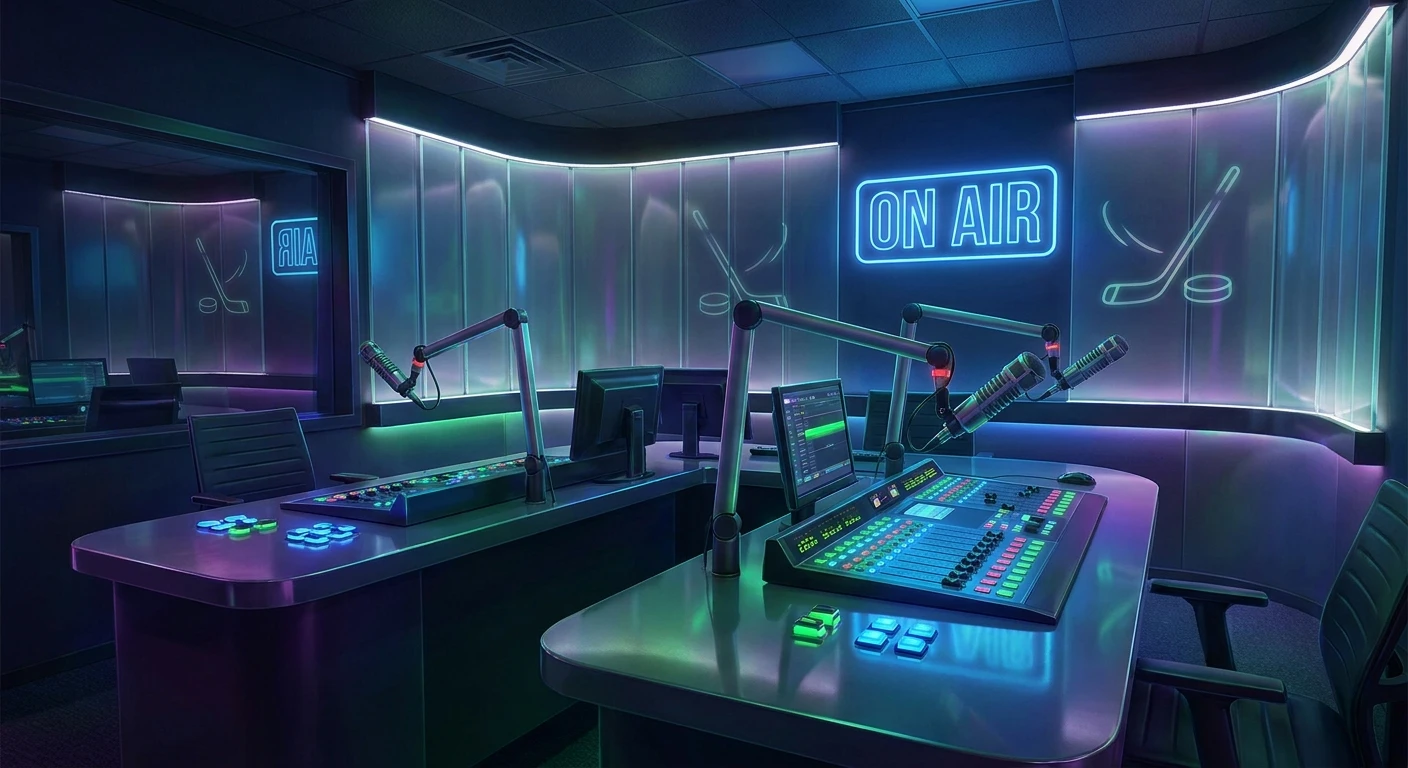
Welcome to Canucks Central: Your Ultimate Hub for Vancouver Hockey
If you are looking for the absolute heartbeat of Vancouver hockey coverage, Canucks Central delivers exactly what you need. Following a professional hockey franchise requires more than just glancing at the final score on a mobile app; it demands a thorough understanding of roster mechanics, salary cap adjustments, and daily coaching decisions. You want the raw facts, the immediate post-game reactions, and the sharpest tactical breakdowns available. That is exactly what this dedicated sports broadcasting format provides for fans across the Pacific Northwest and around the globe. Whether the team is pushing for a deep playoff run or rebuilding through the draft, the conversation never actually stops. This dedicated coverage serves as a continuous anchor, keeping the fanbase informed, educated, and engaged with every single shift on the ice.
Instead of relying on fragmented social media updates, tuning into a centralized sports media property gives you a cohesive narrative. You hear directly from insiders who travel with the team, interview the general manager, and study the farm system. The programming is built specifically for the die-hard supporter who wants to understand the ‘why’ behind a specific power-play formation or the logic dictating a recent blue-line trade. By streamlining all the essential news, interviews, and statistical analysis into one accessible platform, the show ensures you never miss a critical update regarding your favorite franchise.
Read also: Why michael grange Leads Modern Sports Media; Ultimate Guide to Blue Jays Talk; Ultimate Canucks Talk Guide For True Fans.
The Core Benefits of Dedicated Hockey Coverage
Following a specialized sports program completely changes how you experience an NHL season. When you consume high-level analysis daily, the game slows down for you. You start noticing the subtle defensive zone exits and the intricate forechecking schemes that casual viewers completely overlook. Two major value propositions stand out immediately. First, you save immense amounts of time. Instead of scouring ten different websites for injury updates or line combinations, you get a curated, highly accurate briefing directly through your speakers. Second, you gain actionable intelligence on the broader league landscape. The discussions do not just focus on the local roster; they analyze how rival teams are performing, which directly impacts playoff seeding and trade market values.
Consider how different segments of the broadcast cater to specific informational needs. The programming schedule is highly structured to guide you through the natural rhythm of a game day.
| Segment Name | Typical Broadcast Timing | Primary Coverage Focus |
|---|---|---|
| The Morning Prep | Early AM / Commute | Overnight news, injury reports, and practice line combinations. |
| The Game Preview | Mid-Afternoon | Opponent analysis, starting goaltenders, and strategic matchups. |
| The Post-Game Breakdown | Immediately Post-Game | Raw reactions, coaching press conferences, and statistical review. |
To maximize your experience with the coverage, follow a few structured habits. Casual listening is great, but strategic listening turns you into a hockey expert.
- Sync your commute with live broadcasts: Utilize your driving time to catch the most pressing daily debates and insider interviews as they happen.
- Leverage the podcast feed for on-demand listening: If you miss a crucial post-game breakdown because you live in a different time zone, download the audio file the next morning to catch up on the analysis.
- Track the cited advanced metrics: When hosts mention specific analytical stats during the show, look them up to better visualize the on-ice performance they are describing.
Origins of Dedicated Vancouver Radio
The concept of hyper-focused team coverage did not appear overnight. Decades ago, sports radio was a generalized format where a single station attempted to cover every major league simultaneously. Fans of the local hockey team often had to wait through segments on baseball, basketball, and golf just to get a five-minute update on their favorite squad. The demand for specialized, localized content began to swell as the NHL expanded and the nuances of the game became more complex. Recognizing the fierce loyalty of the Vancouver market, broadcasters eventually realized that a dedicated daily format entirely focused on the local ice was not just viable, but absolutely necessary to meet consumer demand.
Evolution of the Daily Sports Talk Format
As media consumption habits shifted, so did the delivery of sports talk. The transition from pure AM terrestrial radio to digital platforms marked a massive leap forward. Producers began integrating live listener feedback via text lines and social media, making the show interactive rather than a one-way lecture. The tone shifted from formal broadcasting to a more conversational, direct, friend-to-friend messenger style. This evolution allowed the hosts to express genuine frustration after a tough loss or unbridled excitement after a massive trade, mirroring the exact emotions of the fanbase.
The Modern State of the Show
Today, the program operates as a multimedia powerhouse. It is no longer just an audio feed; it includes video simulcasts, instant digital clipping for social media, and robust podcast syndication. The modern state of the broadcast relies heavily on exclusive access. Hosts regularly feature the team’s head coach, prominent NHL insiders, and analytics experts. This level of access ensures that the information provided is not just speculation, but fact-based reporting directly from the sources who shape the future of the franchise.
The Analytics Behind Modern Hockey Broadcasting
Modern hockey talk requires a firm grasp of advanced analytics, and the best broadcasts translate these complex mathematical models into easily digestible insights. You will frequently hear discussions about Corsi, Fenwick, and Expected Goals (xG). Instead of just looking at total shots on net, these metrics measure shot attempt differentials and the quality of scoring chances. A team might get outshot, but if they are generating high-danger chances from the slot while keeping opponents to the perimeter, the underlying numbers will look favorable. The hosts excel at breaking down PDO—a metric combining shooting percentage and save percentage—to explain whether a recent winning streak is sustainable or just a stroke of temporary luck.
Audio Production and Syndication
Behind the scenes, delivering crisp, real-time sports audio requires sophisticated technical infrastructure. Live broadcasting involves managing remote feeds from arenas across North America, ensuring the play-by-play delay is synchronized with the studio commentary. The production team utilizes dynamic range compression to ensure that a sudden, screaming goal call does not blow out the listener’s speakers, while quiet tactical discussions remain perfectly audible over road noise during a commute.
- Real-Time API Integration: The studio uses direct data feeds from the NHL to update shot maps, time on ice, and faceoff percentages instantly.
- Digital Signal Processing (DSP): Audio signals are refined to eliminate background arena noise during remote interviews.
- Automated RSS Syndication: Once a live segment concludes, software automatically packages the audio file, tags the metadata, and pushes it to global podcast platforms within minutes.
- Low-Latency Streaming: Content delivery networks (CDNs) ensure that fans streaming the show digitally experience almost zero lag compared to the terrestrial radio broadcast.
Monday: The Weekend Fallout
Mondays are strictly for processing the weekend’s chaos. Because the NHL schedule is heavily loaded on Saturdays and Sundays, the Monday broadcast acts as a massive reset. You will hear an exhaustive review of weekend point percentages, waiver wire transactions, and how weekend injuries might affect the upcoming week’s roster. It is the perfect time to catch up if you missed any late-night west coast games.
Tuesday: Game Day Preview
With Tuesday being a traditional game night in the NHL, the focus shifts entirely to previewing the opponent. The hosts will analyze the opposing team’s power-play tendencies, identify which defensive pairings are vulnerable to speed, and discuss the expected starting goaltenders. This segment arms you with exactly what to watch for when the puck officially drops later that evening.
Wednesday: Analytics and Trade Rumors
Mid-week broadcasts often step back from the immediate game-by-game grind to look at the macro picture. Wednesdays are ideal for deep dives into team analytics, evaluating pro scouting reports, and discussing league-wide trade rumors. If the team needs a top-four defenseman, this is the day you will hear a comprehensive list of realistic targets, complete with salary cap retention scenarios.
Thursday: The Minor League Check-in
You cannot build a sustainable contender without a thriving farm system. Thursdays frequently feature updates from the AHL affiliate and junior leagues. You will get detailed scouting reports on top prospects, discussions on player development arcs, and debates about who deserves the next call-up to the big club. This knowledge is crucial for understanding the franchise’s long-term trajectory.
Friday: Weekend Setup
Fridays are all about anticipation. The tone is lighter, the energy is high, and the focus is on the upcoming weekend slate. Expect bold predictions, fantasy hockey advice, and interviews with beat writers from the opposing cities. The goal is to set the stage for the crucial back-to-back matchups that often dictate the standings.
Saturday: Live Post-Game Reactions
Saturday night is the pinnacle of the hockey week. The broadcast shifts into immediate reaction mode following the final horn. This is where you hear the unfiltered emotion of the fanbase. The hosts break down the turning points of the game, analyze controversial referee decisions, and play the live audio from the coach’s post-game press conference.
Sunday: Weekly Recap Podcast
While live radio might take a breather, the digital feed often updates with a curated weekly recap. This on-demand content summarizes the best interviews, the most heated debates, and the most insightful statistical breakdowns of the past seven days. It is a highly efficient way to consume the week’s best moments while walking the dog or running Sunday errands.
Myths and Reality of Sports Radio
Myth: Dedicated team coverage only focuses on the star players.
Reality: While the first line gets plenty of attention, the most rigorous analysis is usually directed at the bottom-six forwards, the penalty kill structure, and the organizational depth chart, as these are the areas that truly determine playoff success.
Myth: The hosts just yell at each other for entertainment.
Reality: Modern sports broadcasting is highly structured and heavily reliant on statistical evidence. Disagreements certainly happen, but they are rooted in contrasting analytical philosophies rather than manufactured drama.
Myth: You have to live in the local broadcast area to enjoy the show.
Reality: Thanks to global podcast syndication and live internet streaming, thousands of fans listen from entirely different continents, making it a truly international community.
Myth: Post-game shows are just fans complaining.
Reality: While fan calls are a staple, the core of the post-game broadcast is expert breakdown, instant replay analysis, and direct quotes from the locker room.
Where can I listen to the broadcast?
You can tune in via traditional local terrestrial radio, stream it live through the official sports network website, or download the segments on any major podcast platform like Apple or Spotify.
Is the podcast feed free?
Yes, the daily podcast uploads are completely free to download and stream, supported purely by standard broadcast advertising.
Do they cover the annual draft?
Absolutely. Draft coverage is one of the most intense periods of the year, featuring extensive mock drafts, prospect interviews, and live coverage from the draft floor.
Who are the typical guests?
Guests range from national hockey insiders and current players to former general managers, goaltending coaches, and advanced statistical analysts.
Can fans call into the show?
Yes, listener interaction is a massive component. Dedicated text lines and phone numbers are regularly opened up for fans to voice their opinions on the current state of the team.
What is the post-game format?
The post-game format instantly transitions from the final buzzer into game summaries, locker room audio, three-star selections, and a breakdown of the critical turning points.
Do they cover other NHL teams?
While the primary focus is always strictly on the local Vancouver franchise, they extensively cover other teams when it directly impacts the local squad’s playoff race, division standings, or trade market.
Is the programming available year-round?
Yes, even during the off-season, the coverage continues with a focus on free agency, development camps, salary cap management, and pre-season storylines.
The passion surrounding this team is undeniable, and navigating the emotional rollercoaster of an eighty-two game season requires a trusted guide. By integrating this elite tier of sports media into your daily routine, you elevate your understanding of the sport and connect with a massive community of like-minded fans. If you have not already made it part of your daily routine, subscribe to the Canucks Central podcast feed today and completely transform the way you experience Vancouver hockey.










