


The True Magic Behind Blue Jays Talk
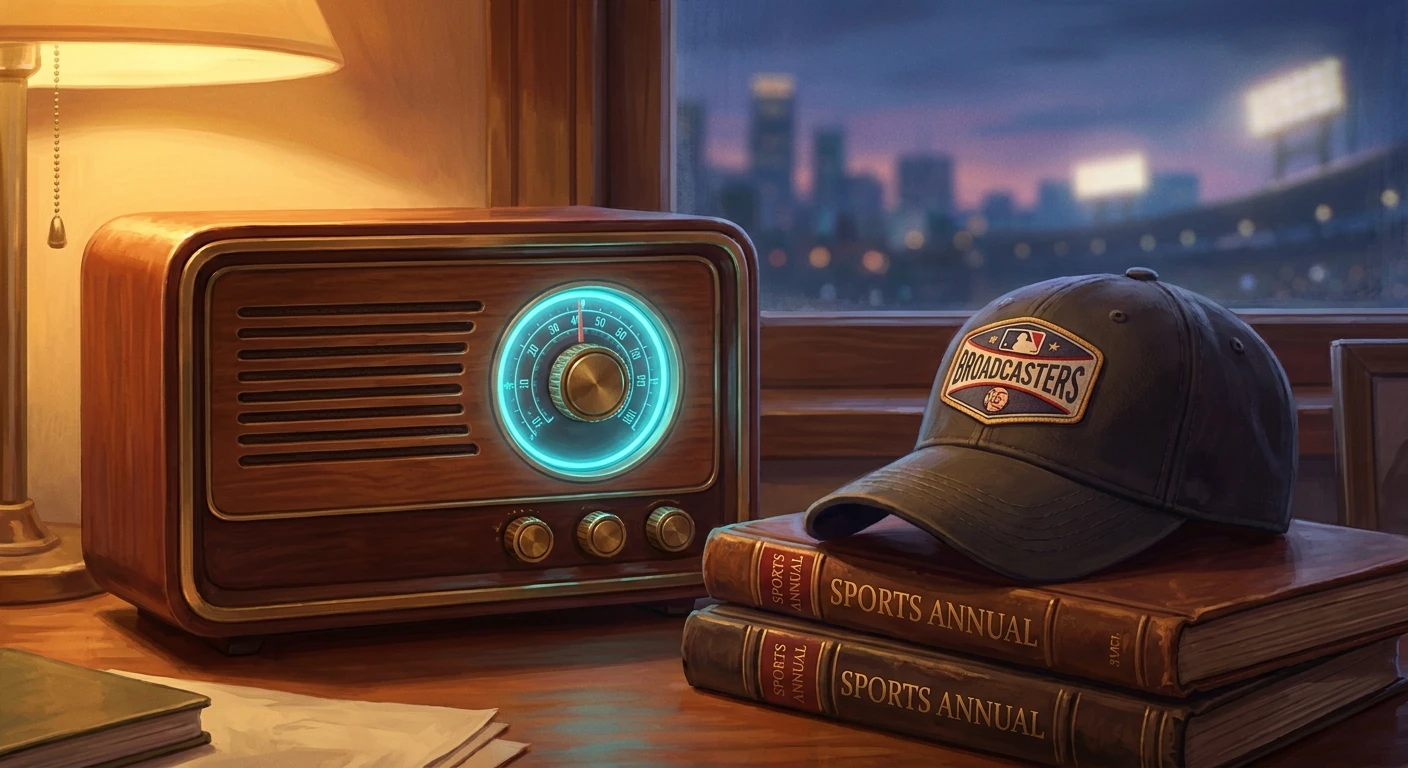
If you want to know what makes Canadian baseball fans tick, tuning into the daily blue jays talk is absolutely your best move. Listen, baseball is never just about what happens between the chalk lines during those nine innings. The real emotion, the raw unfiltered passion, happens the second the final out is recorded. Growing up in Kyiv, baseball wasn’t exactly the local pastime. We had football, and we had boxing. But I remember staying up until 3 AM one freezing November night, stumbling upon an internet radio feed of a Toronto post-game show. I barely understood the intricate rules of the sport back then, but the sheer emotion radiating from the callers hooked me instantly. The callers were angry, elated, analytical, and utterly devoted. The host managed the chaos beautifully. Now that we are in 2026, the global fan community has exploded, but that core feeling remains exactly the same. Baseball chatter unites people across continents. It builds a distinct community of armchair managers who live and die with every pitch. This isn’t just sports radio; it is a shared therapeutic experience where every fan gets a voice.
Why Post-Game Analysis Matters So Much
You might be wondering why anyone would spend another two hours listening to people debate a game they just spent three hours watching. The answer is simple: community processing. When a closer blows a save in the bottom of the ninth, you need someone to vent to. When a rookie hits a walk-off grand slam, you need someone to celebrate with. The radio lines light up because humans are wired for shared experiences. The hosts act as mediators, psychologists, and baseball historians all rolled into one. They balance the intense emotional reactions of the callers with cold, hard statistical facts.
We can break down the true value of these broadcasts by looking at how they serve the fan base. Here is exactly what you get when you start paying attention to the regular programming:
| Broadcast Format | Fan Value Proposition | Notable Examples |
|---|---|---|
| Post-Game Call-In | Immediate emotional release and raw fan reactions. | Midnight rants, walk-off celebrations, manager critiques. |
| Mid-Day Podcast Edition | Deep analytical breakdowns and tactical reviews. | Roster building debates, trade deadline rumors, prospect scouting. |
| Live Digital Video Stream | Visual engagement and real-time interactive chat. | Studio host reactions, live fan polls, instant replay analysis. |
Getting involved in the conversation requires a bit of preparation if you want to be taken seriously by the die-hard fans. If you want to jump into the fray, here is the best way to do it:
- Find your preferred listening platform, whether that is terrestrial radio, a dedicated sports app, or a digital stream.
- Prepare your talking points before dialing the number. Hosts appreciate callers who get straight to the point with a unique angle.
- Engage with the community respectfully. You can disagree with a tactical decision without attacking the person making the argument.
Origins of the Broadcast
The history of baseball radio in Toronto is essentially the history of the franchise itself. When the team first expanded into Canada, they needed a way to educate a hockey-crazed nation about the nuances of the diamond. Radio was the ultimate tool. Early broadcasters didn’t just call the plays; they explained the strategy, the shifts, and the pitch selection. The post-game wrap-ups naturally evolved from these educational segments. Fans would literally mail in letters asking questions about why a manager chose to bunt in the seventh inning. Eventually, as technology improved, live phone calls became the standard, turning a one-way lecture into a two-way dialogue.
The Evolution of Fan Interaction
Think about how far we have come. Back in the day, you had to sit by a rotary phone, getting a busy signal for an hour, just hoping to speak to the host for thirty seconds. The sheer dedication required to participate meant that only the most obsessed fans made it on air. Fast forward through the decades, and the barrier to entry has completely vanished. Texts, social media hashtags, and live chat rooms have revolutionized how the audience interacts with the studio. You don’t even have to use your voice anymore; a well-timed digital comment can become the central talking point for an entire segment.
The Modern State of Baseball Chat
Right now, the ecosystem is a highly polished machine. The shows are syndicated across massive networks, packaged into bite-sized clips for social media, and distributed globally via streaming platforms. The modern caller is also vastly more educated. With the rise of advanced analytics, fans are no longer just complaining about a player’s batting average. They are calling in to debate exit velocities, spin rates, and defensive runs saved. The conversation has elevated, making the daily broadcast a masterclass in modern baseball theory.
The Psychology of Sports Fandom
There is an actual scientific reason why we crave this type of content. When we listen to familiar voices discussing our favorite team, our brains engage in what psychologists call parasocial interaction. We form one-sided psychological bonds with the hosts. When the team wins, our brains release dopamine, and listening to others share that joy amplifies the chemical response. Conversely, when the team loses, sharing the misery helps regulate cortisol levels, reducing our internal stress. It is literally biological group therapy disguised as sports entertainment.
The Technical Audio Transmission
Beyond the psychology, the technical infrastructure required to run a flawless live call-in show is fascinating. Broadcasters utilize sophisticated delay systems. They operate on a seven-second digital delay loop to prevent profanity from reaching the airwaves. The audio routing requires complex mixing boards that balance the host’s studio microphone with low-fidelity cellular phone signals from people driving down the highway.
- Delay Systems: Digital buffers hold the live audio for several seconds, giving producers a panic button to dump inappropriate content.
- Audio Compression: Phone calls are heavily compressed and equalized in real-time to make poor cellular connections sound intelligible.
- Call Screening Software: Producers use dedicated digital interfaces to rank callers based on their proposed topics, ensuring a varied and dynamic show flow.
- Simulcast Syncing: Synchronizing the audio feed with digital video streams requires microsecond precision to avoid awkward lip-sync issues for the online viewers.
Day 1: Tune in Live Immediately
Your first step is simply to listen. Find the broadcast immediately following the final pitch. Do not worry about analyzing the game yourself yet. Just absorb the rhythm of the show. Notice how the host opens the segment, how they set the tone for the night, and how they seamlessly transition from commercial breaks right into the first caller’s rant.
Day 2: Analyze the Roster Strategy
Now that you know the format, start looking at the bigger picture. Pick one specific element of the team’s roster—maybe the starting rotation or the bench depth. Listen to how the experts discuss these specific players. Pay attention to the language they use when evaluating talent versus actual field execution.
Day 3: Join the Digital Forum
Before you ever pick up a phone, test your opinions in text form. Find the active game-day threads on social platforms or dedicated message boards. Post your thoughts on the manager’s latest bullpen decisions. The immediate written feedback you get from other fans will sharpen your arguments and prepare you for live debate.
Day 4: Call the Hotline
It is time to make your voice heard. Dial the number, wait through the hold music, and pitch your take to the producer. Keep your opening statement under fifteen seconds. The golden rule of radio is energy. Speak clearly, bring a fresh perspective, and do not just repeat what the previous three callers already stated.
Day 5: Track the Advanced Stats
If you want to dominate the conversation, you need to speak the language of modern front offices. Spend an hour looking up metrics like wRC+, FIP, and OAA. When you frame your arguments using objective data rather than pure emotion, hosts will treat you like an insider rather than just an angry fan.
Day 6: Master the Terminology
Baseball has a unique lexicon. You need to know the difference between a slider and a sweeper. You need to understand what hitting the cutoff man actually entails. Spend this day familiarizing yourself with the subtle tactical phrases that professionals use. It adds massive credibility to your takes.
Day 7: Host Your Own Watch Party
Bring the experience full circle. Invite your friends over, watch the game, and act as your own post-game panel. Debate the controversial calls, argue about the substitutions, and synthesize everything you have learned over the past week. You have officially become part of the culture.
Myths About the Broadcast
Myth: The callers are just angry people looking to complain about everything.
Reality: While emotion runs high after a tough loss, the majority of frequent callers offer high-level tactical analysis and genuinely care about the long-term success of the franchise.
Myth: You have to live in the city to have your call put on the air.
Reality: Thanks to digital streaming apps, producers regularly feature voices from all over the globe, highlighting the massive international reach of the franchise.
Myth: The hosts secretly hate the callers and just want to hear themselves speak.
Reality: The hosts know that the callers are the absolute lifeblood of the program. Without the unpredictable nature of live fan interaction, the broadcast would just be a dry reading of the box score.
When does the program actually air?
The post-game segment begins immediately after the final out of every single regular season and playoff game, regardless of what time zone the team is playing in.
How exactly can I call in?
The station provides a toll-free number that is broadcast repeatedly during the game. You simply call, wait for the screening producer, and pitch your topic.
Is there a podcast version available?
Yes. If you miss the live late-night feed, the entire show is cut, edited to remove commercial breaks, and uploaded to all major podcast platforms by the next morning.
Who are the primary hosts?
The desk rotates between veteran broadcasters and former players, ensuring a solid mix of professional media polish and raw locker room experience.
Can international fans participate?
Absolutely. Fans tuning in from Europe, Asia, and across the globe are highly encouraged to participate, often bringing unique perspectives to the local fan base.
Does the team actually listen to this?
While the manager might not tune in on his drive home, front office personnel and media relations teams monitor the general sentiment of the fan base very closely.
Where do I find the high-quality stream?
You can stream the audio live through the official team app, the network’s website, or standard digital radio aggregators online.
Embracing the daily baseball conversation fundamentally changes how you consume the sport. It stops being a solitary viewing experience and becomes a massive, interactive community event. So grab your phone, look up the stats, and get ready to join the debate. The lines are open.