


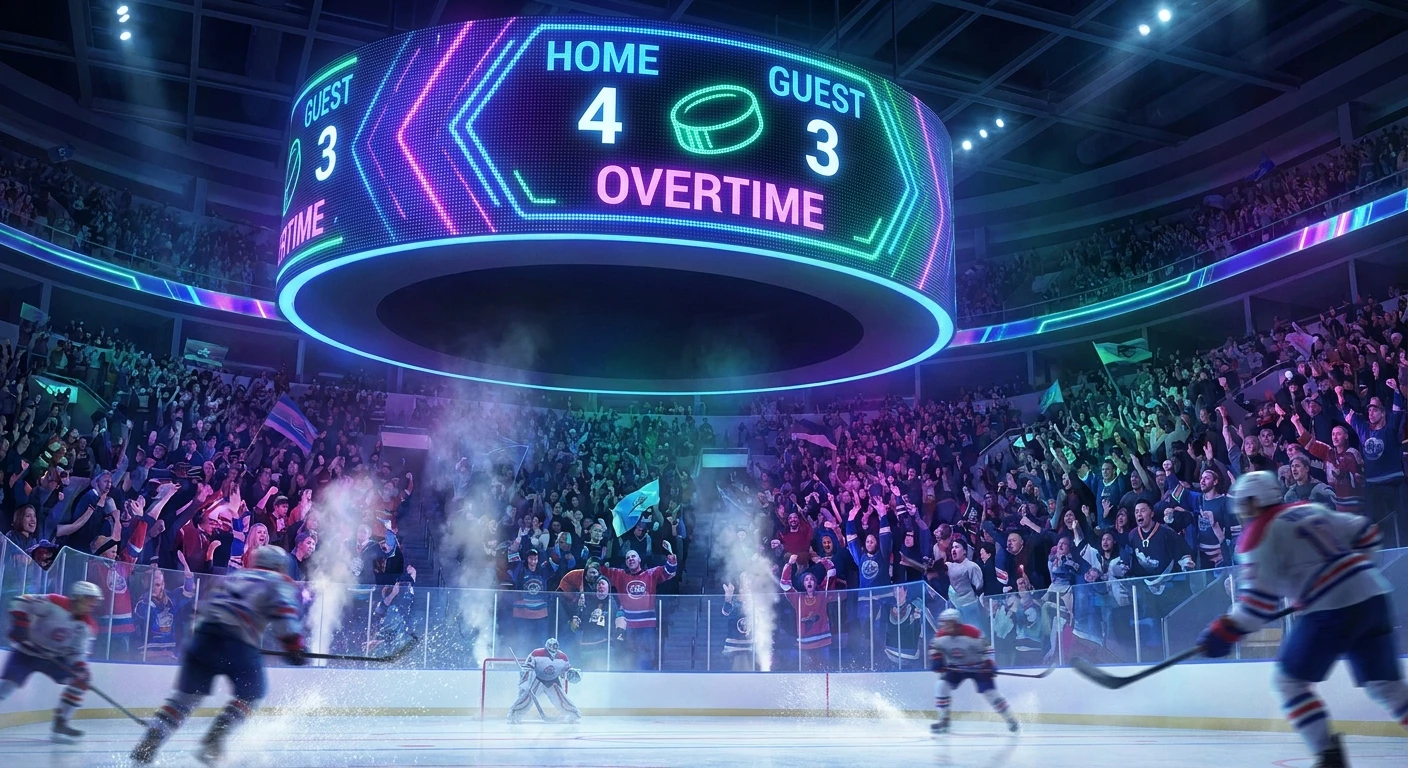
Live Updates on the Moncton Wildcats Score
If you are constantly refreshing your phone to see the latest moncton wildcats score, you are definitely not alone. I swear, just last week I was standing in line at a coffee shop right near the Avenir Centre, and literally half the people in the queue were holding their breath, staring at their screens waiting for the final buzzer. It is serious business around here. Tracking junior hockey stats isn’t just a casual hobby; it is a full-on local obsession. You need reliable ways to get those updates before your friends text you the spoilers.
I have been following these games for years, and figuring out the quickest way to get accurate game data has become my personal mission. Hockey moves fast, and if your feed lags, you miss out on the pure adrenaline of a sudden-death overtime winner. I will walk you through exactly how I keep tabs on every single play, goal, and penalty so you never miss a beat. Trust me, once you set up your notification system the right way, you will be the one breaking the news to everyone else in the group chat. Now, grab a coffee, sit back, and let’s get your phone properly configured for the season.
Read also: Did Winnipeg Win Last Night? Score & Highlights; NHL Showdown: Blues vs Jets Game Analysis.
Tracking the game properly gives you a massive advantage, especially if you run a fantasy league or just love debating stats with your buddies. When you get the notifications instantly, you feel the momentum shifts even if you aren’t sitting in the arena. Plus, the sheer joy of watching a rookie break out and score his first hat trick is unmatched. On the flip side, relying on clunky, outdated apps means you get the news five minutes late, totally ruining the suspense of a tight third period.
Let’s break down a typical game scenario. When I check the stats mid-game, I want to see the complete picture, not just the goals. I want shot counts, power-play percentages, and penalty minutes. Seeing the raw numbers helps you understand exactly who is dominating the ice.
| Game Period | Wildcats Shots | Opponent Shots |
|---|---|---|
| First Period | 14 | 8 |
| Second Period | 16 | 11 |
| Third Period | 10 | 15 |
Having access to this kind of breakdown is fantastic for two main reasons. First, you can actually predict momentum. If the boys are outshooting the opponent 16 to 11 in the second period, you just know a goal is coming. Second, it keeps you fully engaged even if you are stuck at work on a Tuesday night.
Here is exactly how you should be tracking the action to stay ahead of the curve:
- Set up push notifications specifically for the team on the official league app, ensuring you get an instant buzz for every single goal.
- Follow the dedicated local beat reporters on social media; they tweet the action faster than the automated apps can process it.
- Keep a live browser tab open on a dedicated sports statistics site that refreshes automatically every thirty seconds.
Do this, and you are totally golden. You will catch every single nuance of the game without missing out on the local excitement.
Origins of the Franchise
You really cannot appreciate the current stats without looking back at where this franchise started. The team was born in the mid-1990s, completely revitalizing the junior hockey scene in Atlantic Canada. Back then, following the game meant listening to the radio or waiting for the morning newspaper to drop on your doorstep. The community immediately rallied around the boys. People would pack the old Coliseum, creating an atmosphere so loud it felt like the metal roof was going to blow right off. Every single goal was celebrated like it was the Stanley Cup final, forging a deep bond between the city and its players.
Evolution of the Roster and Tactics
As the years rolled on, the style of play totally shifted. The early days were marked by tough, gritty hockey where penalty minutes were almost as high as the goal counts. It was a physical era. But hockey evolved, and the team adapted beautifully. They started drafting incredibly fast, highly skilled forwards. Suddenly, the focus shifted to speed, precision passing, and deadly power-play formations. It became a faster, more technical game. The sheer volume of points increased, making the games thrilling, high-scoring affairs. You would routinely see 6-5 shootouts that kept fans on the edge of their seats until the final horn sounded.
Modern State in 2026
Fast forward to 2026, and the franchise is a well-oiled machine operating out of a state-of-the-art downtown arena. The modern era is all about advanced analytics, sports science, and instant digital connectivity. The players are faster and stronger than ever, utilizing high-tech training facilities to maximize their on-ice performance. Fans now expect real-time data beamed directly to their smartwatches and mobile devices. The connection between the city and the team has only grown stronger, fueled by a shared passion for fast-paced, high-quality junior hockey that consistently delivers unforgettable moments every single weekend.
Analytics of a Goal
You might just see a puck hit the back of the net, but there is a massive amount of science and data going on behind the scenes. Every movement on the ice is tracked by advanced cameras and sensors. We are talking about deep metrics like Corsi and Fenwick, which basically measure shot attempts to figure out which team is actually controlling the flow of the play. When a player winds up for a massive slap shot, biomechanics come into play. The kinetic chain transfers energy from their skates, up through their strong legs, torso, and shoulders, right down to the flex of the composite stick. That stick acts like a tensioned bow, storing kinetic energy and snapping back to launch the heavy rubber puck at insane speeds.
The Physiology of High-Speed Hockey
These athletes are not just casually skating around; they are performing high-intensity interval training on solid ice. Shifts only last about 45 to 60 seconds because the human body simply cannot sustain that level of maximum cardiovascular exertion for much longer. Lactic acid builds up rapidly in the leg muscles, requiring quick, efficient recovery while sitting on the bench.
Here are some wild technical facts about what happens during a typical matchup:
- Players frequently reach speeds exceeding 35 kilometers per hour during a dead sprint down the wing.
- The heart rate of a player during an intense shift easily spikes above 180 beats per minute.
- Modern pucks are often embedded with microchips to track speed and location in real-time, beaming exact data to the arena’s central servers.
- Ice temperature is meticulously maintained at exactly -9 degrees Celsius to ensure the perfect balance of glide and grip for the sharp skate blades.
- Goalie reaction times can be as low as 0.15 seconds, relying heavily on predictive visual cues rather than just raw, innate reflexes.
Getting ready for a massive playoff week takes some serious preparation if you want to be the ultimate fan. I have put together a foolproof seven-day plan to ensure you are entirely locked in and ready for every single faceoff.
Day 1: Schedule Sync
First things first, sync the official team schedule directly to your smartphone’s calendar app. Set alerts for exactly two hours before puck drop so you never get caught off guard by a weird early afternoon Sunday game. Being proactive saves you from missing the crucial first period.
Day 2: App Audit
Delete those slow, ad-heavy generic sports apps that just drain your battery. Download the official QMJHL app and turn on all push notifications for your favorite roster. Speed is absolutely everything here, and the official app gets the raw data straight from the scorer’s table.
Day 3: Social Media Curation
Go to your preferred social media platform and create a specific, dedicated list. Add the team’s official account, the best local beat writers, and the radio play-by-play announcers. This cuts out the political noise and gives you a pure, uninterrupted feed of hockey updates.
Day 4: Gear Prep
Wash your lucky jersey, find your favorite team hat, and get your game-day outfit fully ready. If you are watching from home, make sure your living room setup is heavily optimized. Test your television streams or casting devices beforehand to avoid annoying buffering during a breakaway.
Day 5: Roster Research
Spend just fifteen minutes looking at the latest injury reports and line combinations online. Knowing exactly who is skating on the first line gives you a massive mental edge in understanding the coach’s overall strategy for the busy weekend ahead.
Day 6: Snack Logistics
You simply cannot watch intense hockey without proper fuel. Stock up on your favorite chips, order the pizza early so it definitely arrives before the first intermission, and grab plenty of cold drinks. Planning your food means you won’t be stuck in the kitchen when a fight breaks out.
Day 7: Game Day Execution
Settle into your couch thirty minutes early. Put your phone on a fast charger, pull up your newly curated social media list, and get ready to track every single stat as it happens live on the ice. You are now a professional fan.
People have some really strange, outdated ideas about tracking junior hockey. Let’s clear up the confusion right now so you have the actual facts straight.
Myth: You have to pay expensive monthly subscription fees to get real-time game updates and box scores.
Reality: Absolutely not true. The league’s official app and local radio station websites provide completely free, instant updates to anyone who wants them.
Myth: Junior hockey stats do not really matter because the players are just developing kids.
Reality: These young athletes are elite, world-class prospects. Professional scouts from every major NHL team heavily scrutinize these exact numbers to make multi-million dollar draft decisions.
Myth: Refreshing a web browser page manually is the fastest possible way to see the current score.
Reality: Web pages heavily cache data and often delay their visual updates. Push notifications directly from the arena API feeds are vastly quicker and more reliable.
Myth: Only the total goals matter when you look at a box score.
Reality: Advanced foundational stats like faceoff win percentages and blocked shots often heavily dictate who actually wins the game, regardless of the flashy highlight-reel goals.
How often do the stats update?
The official digital feeds update almost instantly, usually within three to five seconds of the referee blowing the whistle and signaling a goal or a penalty on the ice.
Can I listen to the games for free?
Yes, local radio stations proudly stream the entire audio broadcast online for absolutely free, which is perfect if you are driving home from work.
Do they track advanced analytics?
They sure do. Here in 2026, the league tracks detailed shot maps, individual player ice time, and even maximum skating speeds for almost every game.
What happens if a game goes to overtime?
The rules dramatically switch to a fast-paced 3-on-3 sudden-death format for five minutes. If no one manages to score, it goes to an incredibly tense shootout.
Where is the best place to find post-game highlights?
The team’s official YouTube channel usually uploads a high-definition, condensed highlight package within an hour of the final buzzer sounding.
Can I get alerts for specific players?
Many modern sports applications allow you to favorite individual players on the roster, sending you a quick buzz whenever they get an assist, a goal, or even a penalty.
Why did the goal get called back?
Usually, a disallowed goal is due to a tight offsides call or subtle goaltender interference. The video goal judge reviews these controversial plays upstairs to ensure absolute accuracy on the scoreboard.
There you have it, folks. Tracking the action shouldn’t be a stressful chore; it should be an exciting part of the thrill. You now possess all the right tools, historical context, and technical strategies to stay perfectly plugged into the game. Set up your push notifications right now, double-check your weekend calendar, and get ready to cheer the boys on loudly. Hit the subscribe button to stay updated with more team breakdowns, and let me know in the comments below exactly how you plan to watch the next big game!