


The True Impact of the Gabriel Landeskog Injury
When news first broke about the exact nature of the Gabriel Landeskog injury, hockey fans and sports analysts collectively held their breath. You know how demanding professional ice hockey can be on the human body. The relentless grinding of an 82-game regular season, coupled with the brutal intensity of deep playoff runs, leaves an inevitable mark on even the most conditioned athletes. The situation surrounding the Colorado Avalanche captain is not just a standard medical update; it represents a fascinating intersection of modern sports medicine, team salary cap strategy, and sheer human willpower. For years, athletes with severe joint degradation had very few options to extend their playing careers. Now, cutting-edge medical procedures are offering new hope.
The timeline of this physical breakdown provides a clear window into the sacrifices required to achieve ultimate success in professional contact sports. Navigating severe lower-body trauma requires intense patience and a meticulously structured rehabilitation program. A deep dive into the mechanics of this specific trauma reveals how the absence of a premier left-winger fundamentally alters a team’s offensive structure and locker room dynamic. We need to look closely at the biological realities of joint degradation, the specialized surgical interventions deployed, and the grueling multi-year process required to return a premier athlete to peak physical condition on the ice.
Read also: Navigating a hyman injury: Recovery and Updates; The Truth About the Knies Injury and Recovery Plan; Understanding the ehlers injury impact.
Understanding the Core Challenges of Prolonged Roster Absence
Losing a foundational player fundamentally changes the trajectory of a franchise. The sheer magnitude of a long-term medical absence extends far beyond the immediate shock of the diagnosis. Teams are forced to completely restructure their on-ice strategies and their financial frameworks. When analyzing the injury history of Gabriel Landeskog, the compounding nature of professional hockey trauma becomes undeniable. Minor knocks frequently evolve into major structural issues when ignored or played through.
To fully grasp the scope of such severe medical interventions, it helps to compare the typical recovery timelines associated with different types of hockey-related trauma.
| Injury Classification | Average Recovery Timeline | Direct Roster Impact Level |
|---|---|---|
| Mild Upper/Lower Body Strain | 1 to 3 Weeks | Low – Minor Line Shuffling |
| Arthroscopic Joint Clean-Up | 4 to 8 Weeks | Moderate – Short-Term Injured Reserve |
| Complex Cartilage Replacement | 12 to 18+ Months | Extreme – Long-Term Financial Relief Needed |
The value of understanding these timelines lies in recognizing the dual impact on the organization. First, there is the immediate salary cap maneuvering required when placing a star player on Long-Term Injured Reserve (LTIR). Second, there is the massive leadership void left in the locker room. For example, the Avalanche had to utilize the financial flexibility gained from their captain’s absence to bolster their middle-six forward group and defensive depth. Furthermore, special teams units, particularly the top power-play unit, require complete tactical redesigns to compensate for the missing net-front presence and puck retrieval skills.
The cascading effects of a captain’s prolonged absence are massive. Here are the most prominent operational shifts a team must execute:
- Immediate Line Reconfiguration: Coaches must elevate younger, less experienced wingers to handle top-line minutes against the opponent’s best defensive pairings.
- Financial Flexibility and LTIR Utilization: The front office must actively weaponize the dead cap space to acquire rental players at the trade deadline without violating league rules.
- Redistribution of Leadership Duties: Alternate captains and veteran defensemen must absorb the emotional and vocal responsibilities previously handled by the sidelined leader.
- Special Teams Alterations: Power-play zone entries and penalty-kill structures are entirely rewritten to match the speed and skill sets of the replacement personnel.
Origins of the Joint Deterioration
The origins of severe joint breakdown rarely stem from a single, catastrophic collision. Instead, they are the result of cumulative micro-traumas sustained over thousands of shifts. For an elite power forward, the job description involves battling in the corners, absorbing cross-checks in front of the net, and enduring high-speed directional changes. Over a decade-long career, the protective cushioning within the knee joint gradually wears away. This relentless friction eventually leads to bone-on-bone contact, causing excruciating pain and massive fluid buildup. Early warning signs are often masked by adrenaline and standard pain management techniques used during the grueling regular season.
Evolution Through Post-Season Pushes
The situation escalated significantly during the 2022 Stanley Cup playoff run. Elite competitors frequently push their bodies past sensible biological limits in pursuit of a championship. Playing through severe discomfort, the joint sustained further structural degradation. Following the ultimate victory, the immediate hope was that minor surgical interventions could solve the problem. Initial reports indicated that the winger required arthroscopic knee surgery after winning the Cup, but subsequent setbacks unfortunately forced him to miss the entire 2022-23 season. This period of false starts and persistent inflammation proved that standard clean-up procedures were insufficient.
Modern State of His Rehabilitation
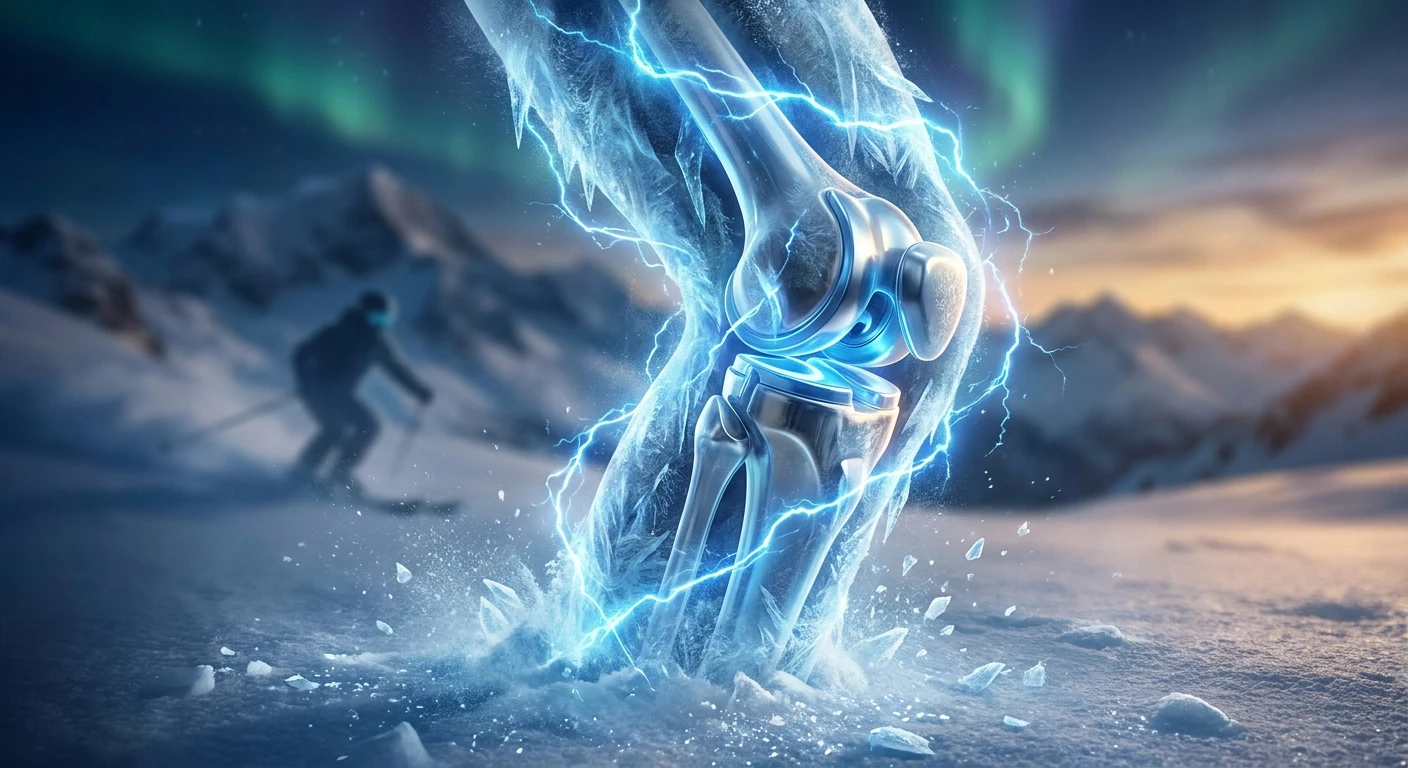
Faced with a rapidly deteriorating situation and the threat of early retirement, a much more drastic approach was required. The focus shifted entirely from quick fixes to biological regeneration. The decision to undergo knee cartilage replacement surgery marked a turning point. This rare procedure is often viewed as a last resort for elite athletes. The modern state of rehabilitation now involves hyper-focused physical therapy, relying on advanced sports science to slowly integrate artificial or donor cartilage into the native bone structure. It is a slow, methodical grind requiring immense mental fortitude.
Understanding Cartilage Replacement Mechanics
To appreciate the complexity of the recovery, one must understand the biological environment of the human knee. Articular cartilage is a smooth, white tissue that covers the ends of bones where they come together to form joints. Its primary function is to provide a lubricated surface for articulation and to facilitate the transmission of loads with a low frictional coefficient. Unlike muscle or skin, hyaline cartilage is avascular, meaning it lacks a direct blood supply. This biological reality makes natural healing virtually impossible once the tissue is severely damaged or worn away. Cartilage replacement surgery, whether through autologous chondrocyte implantation or osteochondral allograft transplantation, involves physically placing new, healthy tissue into the defective area to restore the joint’s structural integrity.
Biomechanics of a Winger’s Return to the Ice
Returning to elite ice hockey is not simply about walking without pain; it is about withstanding extreme biomechanical forces. The act of skating involves violent, explosive lateral pushes, aggressive edge work, and sudden stops that place immense sheer stress on the knee complex. The reconstructed joint must be capable of bearing loads that exceed several times the athlete’s body weight during high-speed collisions.
- Avascular Nature of Cartilage: The lack of blood flow necessitates prolonged, controlled recovery phases to allow the graft to fully integrate with the surrounding bone marrow.
- Synovial Fluid Dynamics: Proper movement is required to stimulate the production of synovial fluid, which nourishes the new cartilage and reduces dangerous friction.
- Proprioceptive Re-education: The nervous system must re-learn how to stabilize the joint through complex micro-adjustments, ensuring the surrounding musculature fires in the correct sequence.
- Sheer Force Resistance: The surgical graft must cure to a point where it can resist the twisting forces generated by modern composite hockey sticks and sharp steel skate blades.
Step 1: Immediate Post-Operative Immobilization
The first phase of the actionable rehabilitation protocol involves strict protection of the surgical site. For the first few weeks, the knee is completely immobilized in a specialized brace. The primary objective is to allow the newly implanted cartilage cells or donor tissue to adhere firmly to the underlying bone without any mechanical disruption. Inflammation control and pain management are the sole priorities.
Step 2: Controlled Passive Motion
Once the initial adherence phase is complete, the medical team introduces a Continuous Passive Motion (CPM) machine. This device slowly and gently bends the knee without the patient actively using their muscles. This passive movement is critical because it stimulates the production of nourishing joint fluid and prevents the formation of restrictive scar tissue around the surgical site, all while protecting the fragile new graft.
Step 3: Introduction of Weight-Bearing Exercises
Weeks later, the athlete begins the highly monitored transition to partial weight-bearing. Using crutches and specialized scales, the player is instructed to place exactly 10%, then 20%, then 50% of their body weight on the repaired leg. This gradual mechanical loading is essential for signaling the bone and cartilage cells to strengthen and adapt to physical stress.
Step 4: Aquatic Therapy and Reduced-Gravity Walking
To accelerate muscle activation without overloading the joint, rehabilitation moves to the pool. Aquatic therapy utilizes the buoyancy of water to reduce the effective body weight of the athlete. Specialized underwater treadmills or anti-gravity treadmills allow the player to practice normal walking mechanics, forcing the quadriceps and hamstrings to fire correctly while the joint remains fully protected from hard impacts.
Step 5: Advanced Off-Ice Resistance Training
As the graft fully hardens and integrates, the focus shifts to rebuilding the massive muscle atrophy that occurs during months of inactivity. Advanced off-ice resistance training begins with closed-chain exercises like leg presses and stationary cycling. The goal is to build a fortress of muscle around the knee, ensuring that the quadriceps, hamstrings, and glutes absorb the shock of movement rather than the cartilage itself.
Step 6: Initial On-Ice Glide Progressions
Returning to the ice is an emotional and physical milestone. The initial sessions involve zero pucks and zero sudden stops. The athlete simply glides in straight lines, focusing entirely on edge control and the feel of the ice. The medical staff carefully monitors the joint for any signs of swelling or acute pain following these light, controlled sessions.
Step 7: High-Velocity Directional Transitions and Contact Prep
The final and most difficult phase replicates actual game conditions. The player must execute high-velocity crossovers, aggressive stops, and sudden directional changes. Furthermore, they must prepare for the unpredictable nature of physical contact. Only when the joint can repeatedly handle the chaotic forces of simulated game action without swelling is the player finally cleared for full-contact team practices.
Myths and Realities of Major Joint Trauma
Myth: Surgical intervention provides an instant, perfect fix to the joint.
Reality: Surgery merely provides the biological framework and building blocks for healing. The actual recovery relies entirely on months of meticulous, highly disciplined physical therapy to ensure the body accepts and strengthens the graft.
Myth: Elite players always return with 100% of their previous speed.
Reality: Severe joint reconstructions often require athletes to permanently alter their biomechanical stride. They may lose a half-step of raw acceleration but compensate through superior positional awareness and hockey IQ.
Myth: Unrelated minor upper-body injuries pause the lower-body rehabilitation timeline.
Reality: While incredibly frustrating, isolated incidents do not necessarily halt lower-body progress. For instance, reports of missing multiple weeks for upper-body knocks, or wild incidents like taking a Cale Makar shot up high, require separate management but often allow stationary lower-body physical therapy to continue uninterrupted.
Myth: Natural supplements alone can regenerate worn-away knee cartilage.
Reality: Because adult articular cartilage lacks an active blood supply, no amount of over-the-counter supplementation can magically regrow tissue that has been completely destroyed by bone-on-bone friction.
What originally caused the severe joint damage?
The damage was not caused by one specific, isolated hit. It was the result of cumulative physical wear and tear over a long, aggressive career playing a heavy, physical style of professional hockey.
Did he attempt to play through the pain?
Yes, he heavily managed the discomfort to participate in the grueling 2022 Stanley Cup playoff run, prioritizing the team’s ultimate championship goal over immediate long-term medical intervention.
What is the specific nature of the surgery?
After minor arthroscopic clean-ups failed to resolve the issue, he underwent a complex cartilage replacement procedure, which involves placing new biological tissue into the degraded knee joint.
Is a cartilage replacement procedure considered a career-ender?
Historically, it was viewed as a career-ending situation for contact sports athletes. However, modern advancements in surgical techniques and sports rehabilitation have made a return to professional play a realistic, albeit difficult, possibility.
How does this prolonged absence impact the salary cap?
When a player is placed on Long-Term Injured Reserve (LTIR) for the entire season, their salary cap hit can essentially be utilized by the front office to acquire replacement players, drastically altering the team’s financial strategy.
Has he suffered from other unrelated physical issues?
Yes, professional hockey takes a widespread toll. Throughout his career, he has faced various unrelated ailments, including reports of a painful rib issue that forced him to limp out of the action momentarily.
Will he instantly resume his role on the top line upon returning?
A return to game action involves a strict minutes restriction. He will likely be eased into the lineup on the second or third line to safely build cardiovascular conditioning and game-timing.
Understanding the full scope of elite medical recovery helps fans appreciate the immense dedication required behind the scenes. The physical and mental hurdles involved in returning from extensive joint reconstruction are truly staggering. Keep following your trusted local sports networks and official team channels to track the ongoing recovery progress, and stay tuned to see how this incredible display of athletic perseverance unfolds!










