


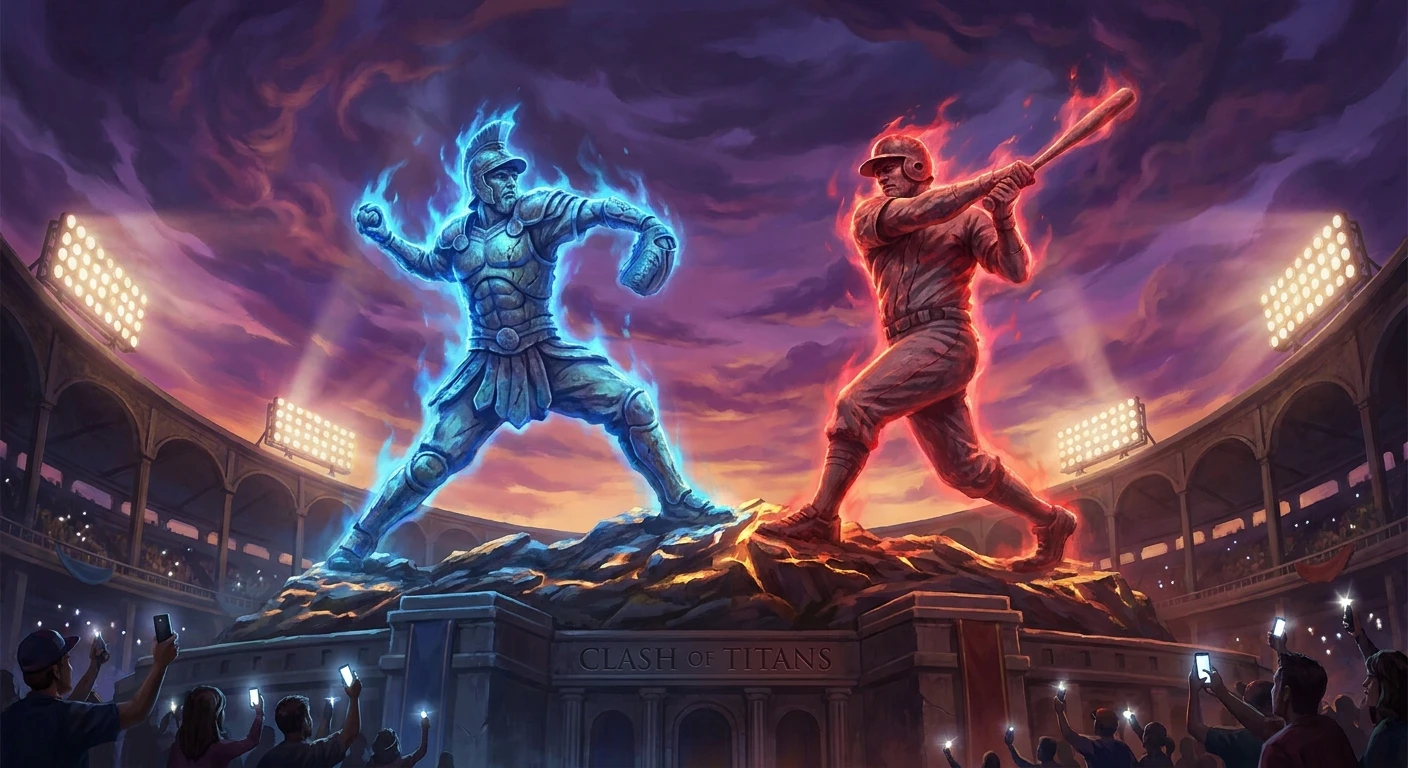
Dodgers vs Angels: The Ultimate Freeway Series Showdown
When you mention the Dodgers vs Angels rivalry, you are talking about the absolute peak of Southern California baseball culture. This is not just a standard regular-season matchup; it is a battle for regional supremacy that divides households, offices, and entire neighborhoods across the sprawling metropolis. From the sun-drenched bleachers in Chavez Ravine to the iconic rock pile beyond center field in Anaheim, the atmosphere surrounding these games crackles with an unparalleled, electric energy.
The geographical proximity of the two franchises—separated by a mere 30 miles of notoriously congested Interstate 5 traffic—turns every pitch, swing, and defensive gem into a high-stakes dramatic performance. For sports enthusiasts, understanding the historical context, the tactical nuances, and the sheer spectacle of this crosstown clash is essential for fully appreciating modern baseball. Whether you are analyzing elite pitching rotations, marveling at record-breaking contracts, or simply soaking in the vibrant stadium culture, grasping the intricate details of this rivalry enriches the fan experience immensely. This comprehensive guide breaks down the core benefits of following the Freeway Series, traces its fascinating history, explores the hard science of baseball analytics, and provides an actionable blueprint for making the most out of game day.
Read also: Guide to the blue jays c. angels Game; guardians vs blue jays Matchup Analysis; Watch the blue jays vs rangers Showdown Live.
The Core Dynamics: Why the Crosstown Clash Matters
Engaging with the intense rivalry between these two clubs offers incredible entertainment value and a unique window into the business and community aspects of professional sports. The value proposition of following this feud extends far beyond the final score. For instance, attending a game provides an unmatched opportunity for family bonding, while the constant debate over which franchise runs a better front office fuels countless hours of engaging sports talk radio and friendly workplace banter.
Financially, these weekend series generate massive revenue for local businesses, bars, and public transit systems, turning a simple sporting event into a major economic catalyst for the region. To understand the baseline differences between the two heavyweights, look at this quick comparison:
| Franchise Element | Los Angeles Dodgers | Los Angeles Angels |
|---|---|---|
| Stadium Vibe | Historic, massive, deeply traditional with sweeping mountain views. | Family-friendly, modern amenities, famous artificial rock formation. |
| Primary Fanbase | Los Angeles County, Hollywood, generational local families. | Orange County, suburban families, Inland Empire residents. |
| Color Scheme | Iconic Dodger Blue and White. | Vibrant Red, Navy, and White. |
The benefits of watching this specific interleague matchup are numerous. Consider these three main reasons why the Freeway Series dominates summer entertainment:
- Elite Talent on Display: Both rosters consistently feature some of the highest-paid and most highly skilled athletes on the planet, guaranteeing top-tier athletic performances.
- Electric Atmosphere: Because both stadiums are close to each other, fans easily travel to away games, creating a split, roaring crowd that feels like a playoff environment in the middle of July.
- Bragging Rights: The winner claims the mythical title of the “Kings of Southern California,” a highly coveted status that fuels merchandise sales and fan pride for an entire year.
Origins of the Freeway Series
The roots of this rivalry stretch back long before the teams began playing regular-season games against one another. The Dodgers arrived in Los Angeles from Brooklyn in 1958, instantly establishing themselves as the kings of the West Coast. Shortly thereafter, in 1961, the Angels were born as an expansion franchise. For decades, the two teams existed in entirely different leagues—the National League and the American League—meaning they only faced off in meaningless spring training exhibitions. Even then, those spring games, often held before the regular season kicked off, drew massive crowds eager to see which local squad was superior.
Evolution of the Rivalry
The dynamic changed permanently in 1997 with the introduction of interleague play. Suddenly, the Dodgers and Angels were playing games that actually counted toward their postseason aspirations. The rivalry intensified in the early 2000s, especially after the Angels secured their first championship in 2002, proving they were no longer just the “little brother” down the freeway. Throughout the subsequent decades, the dynamic ebbed and flowed, defined by dramatic walk-off home runs, intense pitching duels, and front offices battling to sign the same blockbuster free agents.
Modern State of the Matchup
As we navigate through the 2026 baseball season, the matchup has evolved into a clash of distinct organizational philosophies. The Dodgers operate as a relentless analytics-driven juggernaut with a bottomless farm system, while the Angels rely heavily on top-heavy star power and massive free-agent acquisitions. The modern series is broadcast globally, drawing international audiences eager to witness baseball’s brightest stars sharing the same diamond. The geographical divide remains, but the stakes have never been higher as both clubs desperately chase postseason glory in an increasingly competitive sport.
The Scientific Deep Dive: Physics on the Diamond
The Analytics of the Freeway Series
Modern baseball is no longer just a game of intuition; it is a hard science dictated by advanced metrics and tracking technology. When these two teams collide, front offices rely on a sophisticated array of data points to gain an edge. Terms like Exit Velocity (the speed of the baseball as it comes off the bat) and Launch Angle (the vertical angle at which the ball leaves the bat) are meticulously calculated. Pitchers utilize Pitch Tunneling, a technique where different pitches look exactly the same to the batter until the last fraction of a second, causing them to swing at empty air. Every movement is recorded by high-speed cameras, allowing coaches to optimize biomechanics in real-time.
Stadium Physics and Player Performance
The physical environments of the two stadiums also heavily influence the scientific approach to the game. Dodger Stadium is carved into a hillside in Elysian Park, creating specific wind patterns and atmospheric pressure anomalies. Conversely, Angel Stadium in Anaheim sits closer to sea level with a different surrounding topography. The famed Southern California marine layer—a thick bank of cool, moist air that rolls in from the Pacific Ocean—can drastically change the aerodynamics of a batted ball, turning what would be a home run during the day into a routine fly out at night.
- The Magnus Effect: Pitchers manipulate the seams of the baseball to create specific spin rates, utilizing the Magnus effect to make fastballs seemingly rise or curveballs sharply dive.
- Kinematic Sequence: Hitters on both teams study the transfer of energy from their feet, through their hips, into their shoulders, and finally to the bat barrel to maximize power output.
- Air Density Variances: As temperatures drop during late innings, the air density increases, increasing drag on the baseball and reducing overall flight distance by several feet.
Actionable Plan: Your 7-Step Guide to Game Day
Attending a crosstown rivalry game requires careful preparation to maximize the experience and minimize the stress of navigating massive crowds. Follow this step-by-step blueprint to ensure your game day is nothing short of spectacular.
Step 1: Secure Tickets Strategically
Rivalry games sell out fast. You must purchase tickets weeks in advance. Look for seats along the third-base line if you want shade during a day game, or opt for the bleachers if you want to be surrounded by the most vocal and passionate fans.
Step 2: Analyze the Pitching Matchups
Baseball is dictated by the starting pitcher. Check the rotation a few days before your game. Knowing whether you are going to witness a fireballing strikeout artist or a tactical off-speed specialist will completely change your expectations and viewing strategy.
Step 3: Master the Traffic and Transit
Do not underestimate Interstate 5. Plan to arrive at least two hours before first pitch. If you are heading to Anaheim, consider taking the train, which drops you off directly in the stadium parking lot. If heading to Los Angeles, utilize the specialized shuttle buses from major transit hubs.
Step 4: Conquer the Culinary Scene
Both stadiums offer iconic food items. You cannot visit Chavez Ravine without consuming at least one legendary grilled hot dog. In Anaheim, explore the craft beer selections and helmet nachos. Eat early to avoid missing any innings while standing in long concession lines.
Step 5: Dress for the Divided Crowd
Wearing neutral colors is a missed opportunity. Commit to your allegiance, but dress in layers. Southern California days can be blisteringly hot, but once the sun dips below the stadium rim, the temperature drops rapidly. Bring a light jacket or hoodie in your team’s colors.
Step 6: Watch the Bullpen Management
Pay close attention to the late innings. The managers will play a high-stakes game of chess, swapping out left-handed and right-handed relief pitchers to gain mathematical advantages against specific batters. This is where the game is truly won or lost.
Step 7: Engage in Post-Game Breakdown
The experience does not end with the final out. Tune into the local post-game radio shows on the drive home. Listen to the managers’ press conferences to hear their rationale behind controversial decisions, and prepare your talking points for your friends the next day.
Myths & Reality: Clearing Up the Misconceptions
Over the decades, several narratives have built up around this matchup that simply do not align with reality. Let us clear the air on some of the most persistent falsehoods.
Myth: The fans harbor a deep, violent hatred for one another.
Reality: Unlike some fierce East Coast sports rivalries that can border on hostile, the SoCal dynamic is generally familial and good-natured. It is very common to see mixed-loyalty families sitting together, cheerfully taunting one another without crossing the line into malice.
Myth: Anaheim is basically just another neighborhood in Los Angeles.
Reality: Anaheim is in Orange County, a distinctly different region with its own unique culture, political climate, and suburban layout. The “Los Angeles” moniker is primarily a media market designation for business purposes.
Myth: Only one of these teams spends real money on players.
Reality: While one franchise gets more national media attention for its spending, both organizations consistently rank in the upper echelon of payroll, handing out historic, record-breaking contracts to secure superstar talent.
Frequently Asked Questions
What exactly is the Freeway Series?
It is the designated name for the annual interleague baseball games played between the Los Angeles Dodgers and the Los Angeles Angels, named after the freeway system connecting their stadiums.
How long does it take to drive between the two stadiums?
Without traffic, it takes about 40 minutes to drive the 30 miles. However, during rush hour or game days, it can easily take up to two hours.
Who leads the all-time regular season matchup?
The all-time win-loss record fluctuates closely, but historically, the Angels maintained a slight edge in head-to-head regular-season games for many years before the gap narrowed significantly in recent seasons.
Are both teams in the same league?
No. The Dodgers play in the National League (NL), while the Angels compete in the American League (AL).
When did they play their first meaningful regular-season game?
They faced off in their first official, non-exhibition regular-season game in June 1997, following the MLB’s adoption of interleague play.
Why are the Angels called “Los Angeles” if they play in Anaheim?
The owner changed the name to include “Los Angeles” to capitalize on the massive media market and broadcast rights associated with the greater LA metropolitan area.
Can I use public transit to get to these games?
Yes. Anaheim has a convenient rail station right at the stadium parking lot, while Dodger Stadium offers dedicated express buses from Union Station.
Does the winner receive a physical trophy?
While there is no official MLB trophy for the series, local sponsors and regional media outlets often present an unofficial trophy to the team that wins the season series.
There is nothing quite like the thrill of the Dodgers vs Angels rivalry. It perfectly encapsulates the passion, the science, and the community spirit of Southern California sports. From the rich history of their first meetings to the cutting-edge analytics defining the 2026 season, every game is a masterclass in athletic excellence. Secure your tickets, pick your side, and dive right into the ultimate baseball experience!










